
Teacher-created · Grades K–12
Watch your child read words they couldn't read last week.
Ten minutes a day of simple reading, spelling, and writing practice for children with dyslexia, ADHD, or other reading difficulties.
Create my accountCreating an account is free · No card needed to sign up
Paid plans from $10/week when you're ready · Cancel anytime · 30-day full refund
- Works for dyslexia & ADHD? Yes — built for kids who find reading hard.
- How long each day? About 10 minutes, at home, no prep.
- If my child gets frustrated? Slow the flash down anytime, and their Reading Buddy cheers every word.
Want to try first? Try one week free
Trial requires an account and card; then $10/week until cancelled.
Try it right now
Who will read with you?
Owl is ready for a reading adventure.
This is the real thing — words flash, your child reads, writes, and plays.
Play a full word set freeNo sign-in · No credit card
10 minutesfor one complete session
23+ yearshelping struggling readers
30-day promiselove it or get a full refund
A little reading. A big adventure.
Your Reading Buddy is waiting.
An owl, a dragon, or a robot? Pick a friend, give them a name, and grow your adventure together — one reading session at a time.
First session free · Buddies for K–6, optional for older readers.
Save your buddy and progress with a free account after your first session.


Practice colours in the path. Miss a day? Your buddy keeps their place.
A simpler daily routine
Less guessing. More reading.
When reading takes too much effort, children can lose their place, guess at words, or avoid books. The Flash Method builds fast word recognition so more attention is left for understanding and confidence.
1. Hear it
Your child hears the word used in a sentence.
2. See it
The word flashes at a comfortable, adjustable speed.
3. Write it
They write it from memory, then play to make it stick.
Before and after
One learner's first three weeks
Ten words a week, checked out loud. Here is what one child actually scored in Kim's class — no cherry-picking, the misses are shown too.
Week 1
5 right, 5 wrong
Half the list still slipping away.
Week 2
7 right, 3 wrong
The words start staying put.
Week 3
9 out of 10!
Reading out loud, not guessing.
Every learner starts somewhere different and improves at their own pace — this is one child's week-by-week scores, not a promise about yours.
Meet your Reading Buddy
Read. Play. Grow together.
See the flash, write, type, play and victory-book adventure — with a buddy cheering along. Sound on for narration, or follow the captions.
FlashCardRead is designed to be used for just a few minutes, twice a day.
Paid partnership — Yalancia was paid for this video. Her words are unedited; results vary with each learner.
From a real family
It fits into our routine without turning into another hour-long lesson.
With so many kids learning at home, I’m always looking for simple resources we can add to our routine without turning it into another hour-long lesson. FlashCardRead is designed to be used for just a few minutes, twice a day. The method helps students practice picturing words in their minds as they appear, with the goal of improving retention and eventually carrying those skills over to reading. I love that it can be incorporated into an existing homeschool or afterschool routine without adding a huge amount of extra work.
Screen Picture the word Practice Book
Paid partnership — Yalancia was paid for this video. Her words are unedited; results vary with each learner.
Read what she said
With so many kids learning at home, I’m always looking for simple resources we can add to our routine without turning it into another hour-long lesson. FlashCardRead is designed to be used for just a few minutes, twice a day. The method helps students practice picturing words in their minds as they appear, with the goal of improving retention and eventually carrying those skills over to reading. I love that it can be incorporated into an existing homeschool or afterschool routine without adding a huge amount of extra work. If reading or spelling is something your child could use additional practice with, FlashCardRead is free to try, so you can see whether the method works well for your learner.
What parents say
5.0 from 10 reviews
Families tried the flash method in my Outschool class — here's what they said.
I wanted to leave a review as I wasn't sure if this class would be a good fit for my son who is on the older age limit for this class. This method had been very helpful for him and has helped him focus on the spelling of words. Also, Ms. Parra has been more that attentive and helpful. She responds promptly to each question and response. Also, he was too advanced for level 1 so she bumped us up to level 2 no questions asked. I do recommend this class and teacher.
"Read Better in Minutes per Day using the Flash Method" has been an incredible resource for improving my sons reading skills in a practical, manageable way. The 'Flash Method,' a technique that doesn't require hours of daily practice but instead breaks down reading improvement into short, highly focused exercises that fit into even the busiest schedules.
What I love about this approach is how it respects the reader's time and makes the process feel achievable. You start with just a few minutes a day, and the exercises gradually build on each other, leading to noticeable improvements in speed, comprehension, and retention. Unlike other reading strategies that can feel overwhelming or complex, the Flash Method is refreshingly straightforward, making it accessible to everyone, whether you're a student, professional, or just someone who loves reading for pleasure. I highly recommend!
I learned a lot about how my child learns vocabulary from this course...! But more importantly the teacher taught me the value of the training a child's brain--- with hearing, seeing, saying and writing a word, in order to learn words... And although the vocab was very basic at first, it built his confidence for taking on the more challenging words that I am now giving him, to continue his vocabulary growth...
These are unpaid reviews left by families on my Outschool class, where I taught this same flash method. Their words are unedited; results vary with each learner.
Why it works — in plain terms
Three findings from reading science sit behind every part of a session.
Words get bonded together
Researchers call it orthographic mapping: the brain links a word’s spelling, sound, and meaning until recognizing it happens instantly, with no sounding-out left to do (Ehri). Every flash in a session aims at exactly that.
Read Ehri’s paperMaking the word makes it stick
Producing a word makes the brain build it instead of just glance at it. Brain scans of children learning their letters show the reading circuit lighting up when the children formed the letters themselves (James & Engelhardt, 2012) — and writing a word from memory, on paper or on the keyboard, calls up that same active effort. That's why your child writes or types each word before moving on.
Read the studyDays apart beat one long sitting
Spreading the same words across several days — the spacing effect — is one of the most repeated findings in learning science. A review of 317 experiments found it moves words into long-term memory far better than one long session (Cepeda et al., 2006), which is why FlashCardRead is a few minutes daily, not a weekend catch-up.
Read the review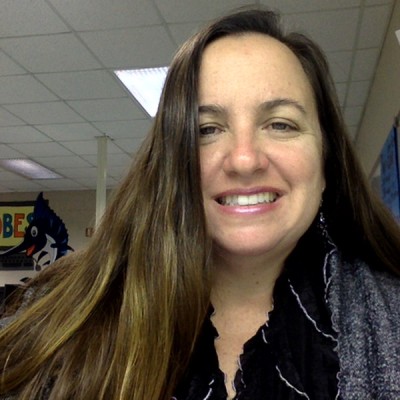
Your child already knows the pieces, such as the sounds and letters, but they just aren’t connected yet. By flashing the words quickly, the brain assimilates them faster and more easily. Try Flashcardread.com and help your child become a confident reader!
A note on the evidence: the letter-formation study followed five-year-olds learning their letters, not older children reading books. It’s a real finding and the reason we ask for writing — on paper or the keyboard — not a promise about any one child’s results. The words above are the founder’s own experience from 23 years of practice, not a published study.
Free word lists for your child’s grade
Leave your email and we’ll send grade-level word lists and short reading tips. No account, no card.
Unsubscribe anytime. We never share your email.
Simple, flexible access
Ready to join us?
Creating an account is free and needs no card. Choose a paid plan when you're ready to support Kim's teaching work. Prefer to try first? The weekly plan includes a seven-day free trial.
Create my accountLove it in 30 days or it's free — full refund, no questions asked.
Still deciding?
Read clear answers about dyslexia, ADHD, choosing a level, pricing, privacy, and progress.
Read the parent FAQ